
What Role Does Culture Play in Tibetan Rug Designs?
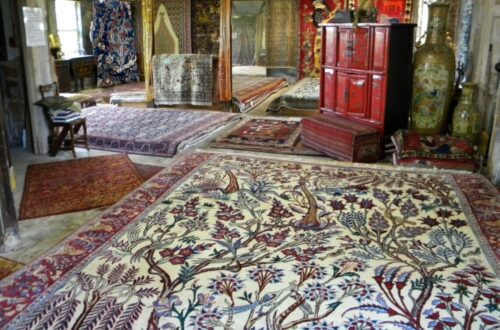
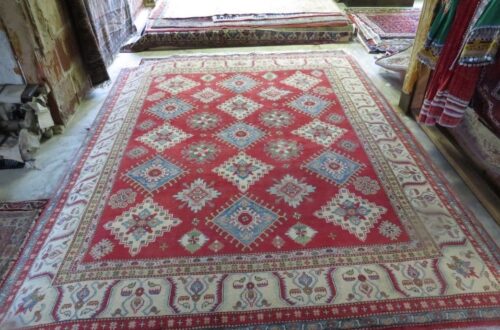
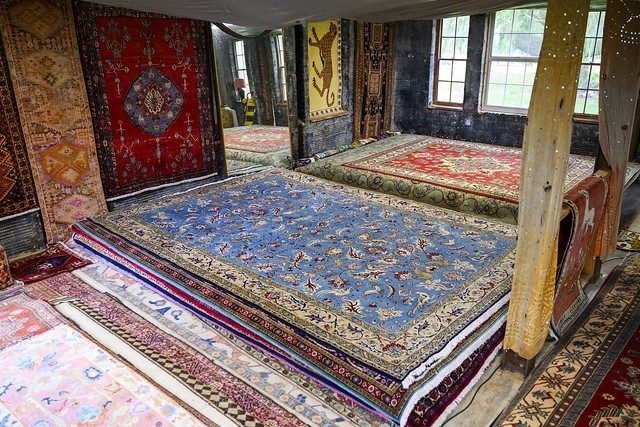
Tibetan rugs are more than floor stuff. They tell stories. Each pattern, color, and shape shows the life and beliefs of the people who made it. From small homes to big temples, these rugs have helped people for hundreds of years. They are soft, warm, and full of meaning. Learning about the culture behind them makes them even cooler. You can check out unique Tibetan rugs and other hand-knotted treasures at Carpetbeggars in Baltimore, Md.
Table of Contents
- Why Culture Matters in Tibetan Rugs
- Symbols You’ll See in Tibetan Rugs
- How Culture Shapes Materials and Style
- Tips for Picking a Tibetan Rug
- FAQ About Tibetan Rugs
- Check Out Rugs at Carpetbeggars
Why Culture Matters in Tibetan Rugs
Culture is the heart of Tibetan rugs. Making a rug isn’t just art. It’s a way to share stories and beliefs. Each design has meaning.
- Religion: Buddhist ideas show up a lot. Mandalas, flowers, and animals tell spiritual stories.
- Community: Different villages have their own styles. You can see who made it by the patterns.
- Daily Life: Animals, mountains, and homes appear in designs. They show how people lived.
Knowing these things makes a rug more than decoration. It makes it a piece of history.
Symbols You’ll See in Tibetan Rugs
Tibetan rugs are full of signs and pictures. Each one says something about the culture.
Religious Signs
- Mandala Circles: Show balance and the universe.
- Lotus Flowers: Stand for purity and learning.
- Buddhist Figures: Meant to protect homes or bring luck.
Animals
- Lions and Dragons: Mean power and wisdom.
- Horses and Yaks: Show nomad life and work.
Shapes and Patterns
- Diamonds, zigzags, and waves can show water, mountains, or paths.
- Villages have special patterns that make their rugs unique.
Every symbol has a story. That is what makes Tibetan rugs so special.
How Culture Shapes Materials and Style
Culture also decides what the rug is made of and how it is made.
- Wool: Yaks and sheep give the soft wool. It comes from what people had around them.
- Colors: Plants, bugs, and minerals make the dyes. That gives each rug a natural look.
- Knotting: Tibetan rugs use hand knots passed down through families. The style shows who made it.
These materials and techniques make each rug tough, soft, and full of culture.
Tips for Picking a Tibetan Rug
Want a Tibetan rug for your place? Here’s some advice:
- Learn the Symbols: Pick patterns you like or that tell a story you love.
- Check the Wool: Yak or sheep wool lasts long and feels nice.
- Think About Size: Make sure it fits where you want it.
- Look for Handmade: Hand-knotted rugs have little details that machines cannot copy.
These tips help you pick a rug that is not only nice but meaningful.
FAQ About Tibetan Rugs
1. What makes Tibetan rugs different?
Ans – They have spiritual signs, natural dyes, and hand-knots. They tell stories of culture.
2. Can they look good in a modern home?
Ans – Yes. They add color, warmth, and culture anywhere.
3. How do I take care of them?
Ans – Vacuum often and clean carefully. Keep them away from harsh sunlight.
4. Are all Tibetan rugs handmade?
Ans – Most are. Handmade rugs are stronger and tell stories better.
5. Where can I find real Tibetan rugs?
Ans – You can find them at Carpetbeggars in Baltimore, Md, along with other hand-knotted rugs.
Check Out Rugs at Carpetbeggars
Tibetan rugs are full of stories and culture. Every knot shows life, belief, or tradition. At Carpetbeggars, we sell very unique Persian and hand-knotted rugs from all over the world. You can find Persian rugs, Berber Rugs from Morocco, Moroccan Rugs, Oushak Rugs, Indian Rugs, tribal Persian Rugs, vintage rugs, antique rugs, Turkish Rugs, Karabakh Rugs, pictorial rugs, folklore rugs, lion rugs, animal rugs, children’s rugs, and more.
Come explore and bring a piece of culture and comfort into your home today!